For operators
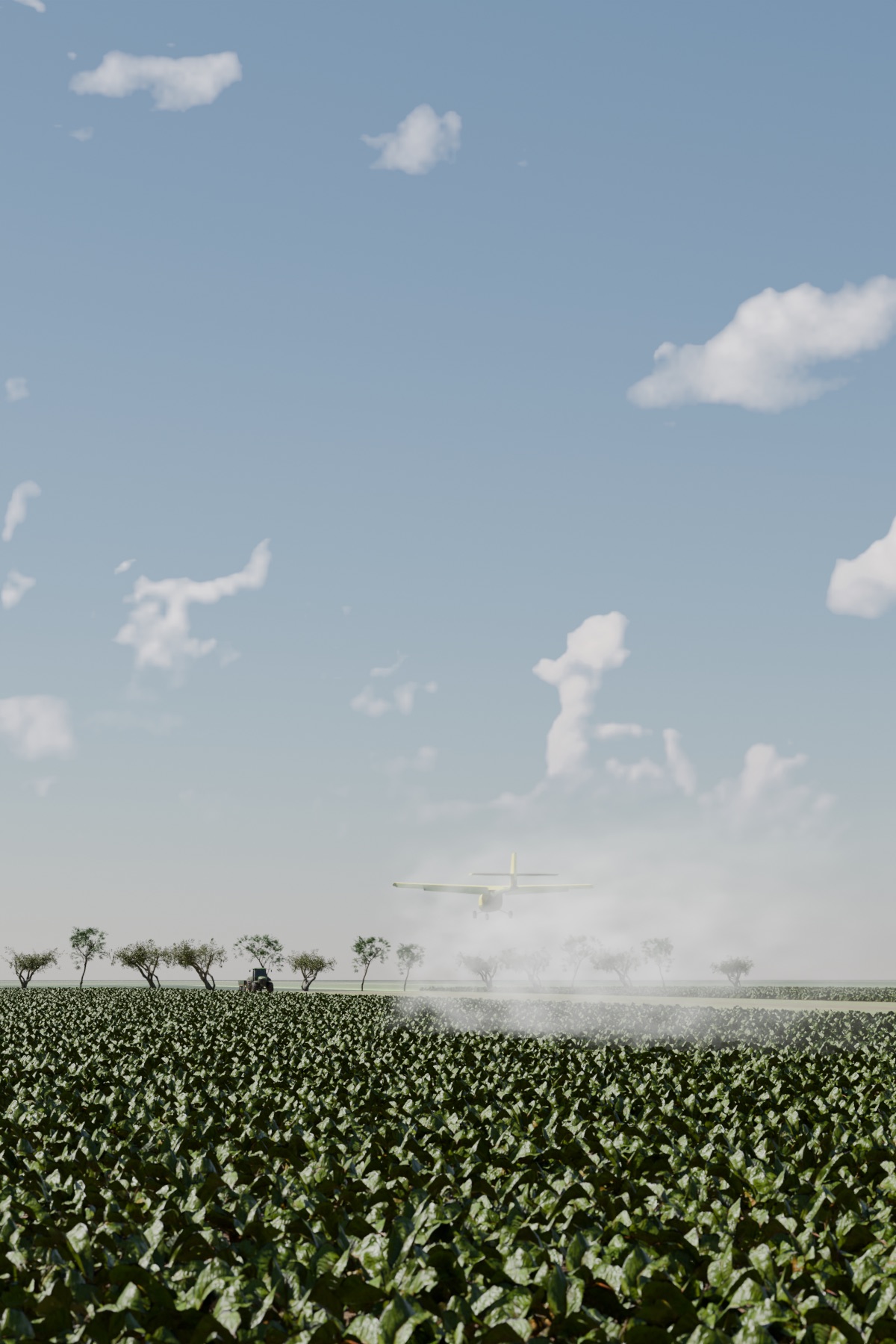
Up to 3× the coverage of a spray drone, from one pilot.
For operators
Up to 3× the coverage of a spray drone, from one pilot.
For farmers
Your spray window met, at the lowest cost per acre.
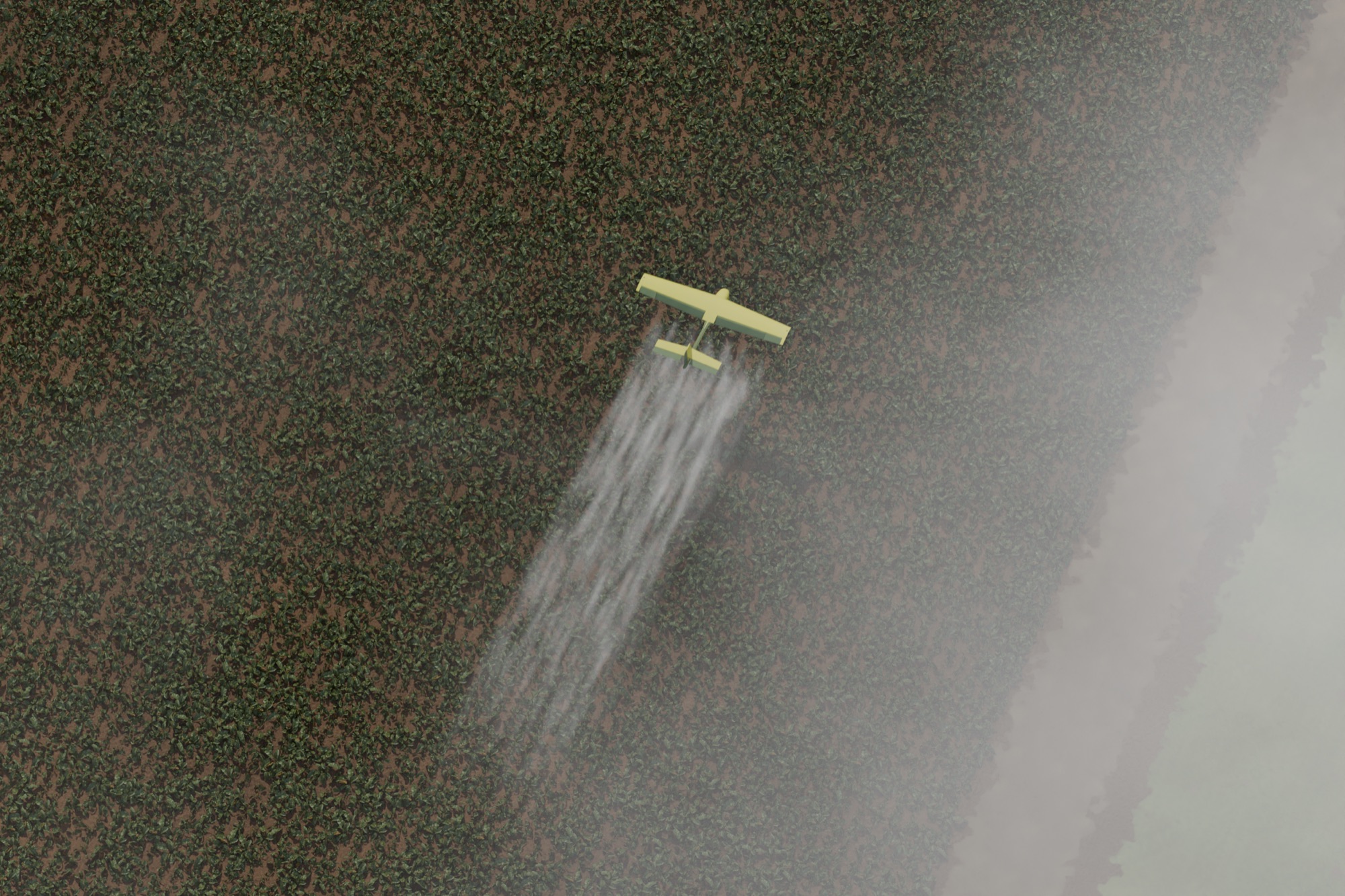
Assumed estimatesEstimated acres in one day shift, scaled to the crop duster.Crop duster. A popular Air Tractor AT-502B covers ground fast: on a long day it can pass 3,000 acres, flying in from an airstrip with a pilot aboard.Spray drone. Even the largest, the DJI Agras T100, manages about 70 acres an hour. Short flights, a short reach from where it is staged, and a battery swap every load hold it back.Our system. Airplane reach with drone simplicity: it works from the field edge, one operator runs it, and every refill is minutes away, not an airstrip away.At night. Crewed night spraying is legal but rare: flying a few feet over a crop in the dark is hard on a pilot, so most crop dusters park at sunset. With no one aboard, the FAA already grants spray-drone operators night flight, and those hours come on top of the day.
Crop dusters cover big ground fast, but they need a pilot and an airstrip, and they only pay off on substantially big acreage.
Drones are flexible and affordable, but one drone covers little ground: a 400-acre farm can take about 30 battery swaps.
Headlands covers 3× more than a drone at half the cost of a crop duster. Big-plane coverage with drone convenience.
After dark, most crop dusters park. Uncrewed, we keep flying. A small night shift takes us past a crop duster’s whole day of work.
Assumed estimatesThe operator’s all-in cost per acre over a season: the aircraft or drone, fuel or batteries, crew, upkeep and insurance. Chemical excluded. Reference machines: Air Tractor AT-502B and DJI Agras T100. Ask us for the numbers on your acres.
Features
We are looking for launch operating partners.